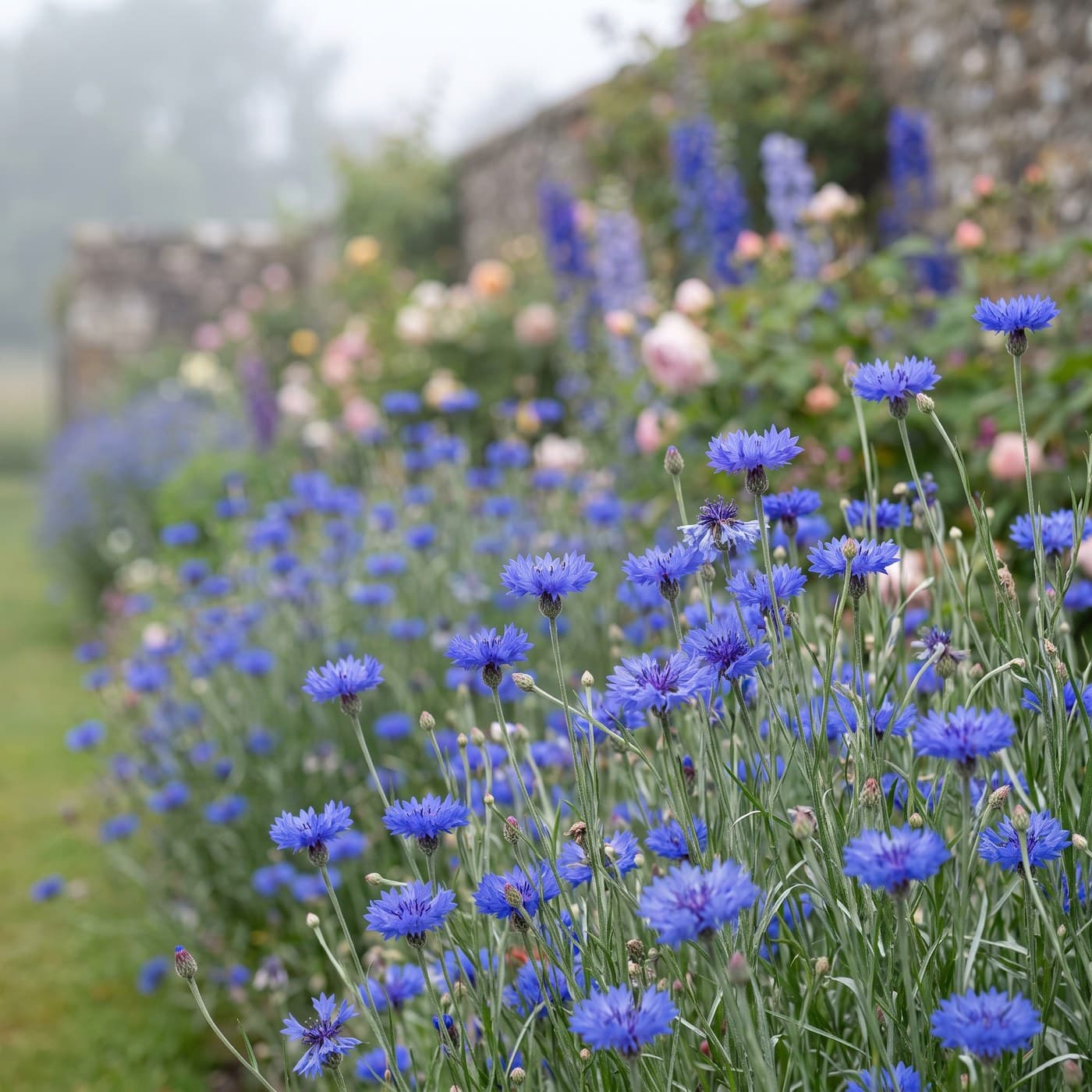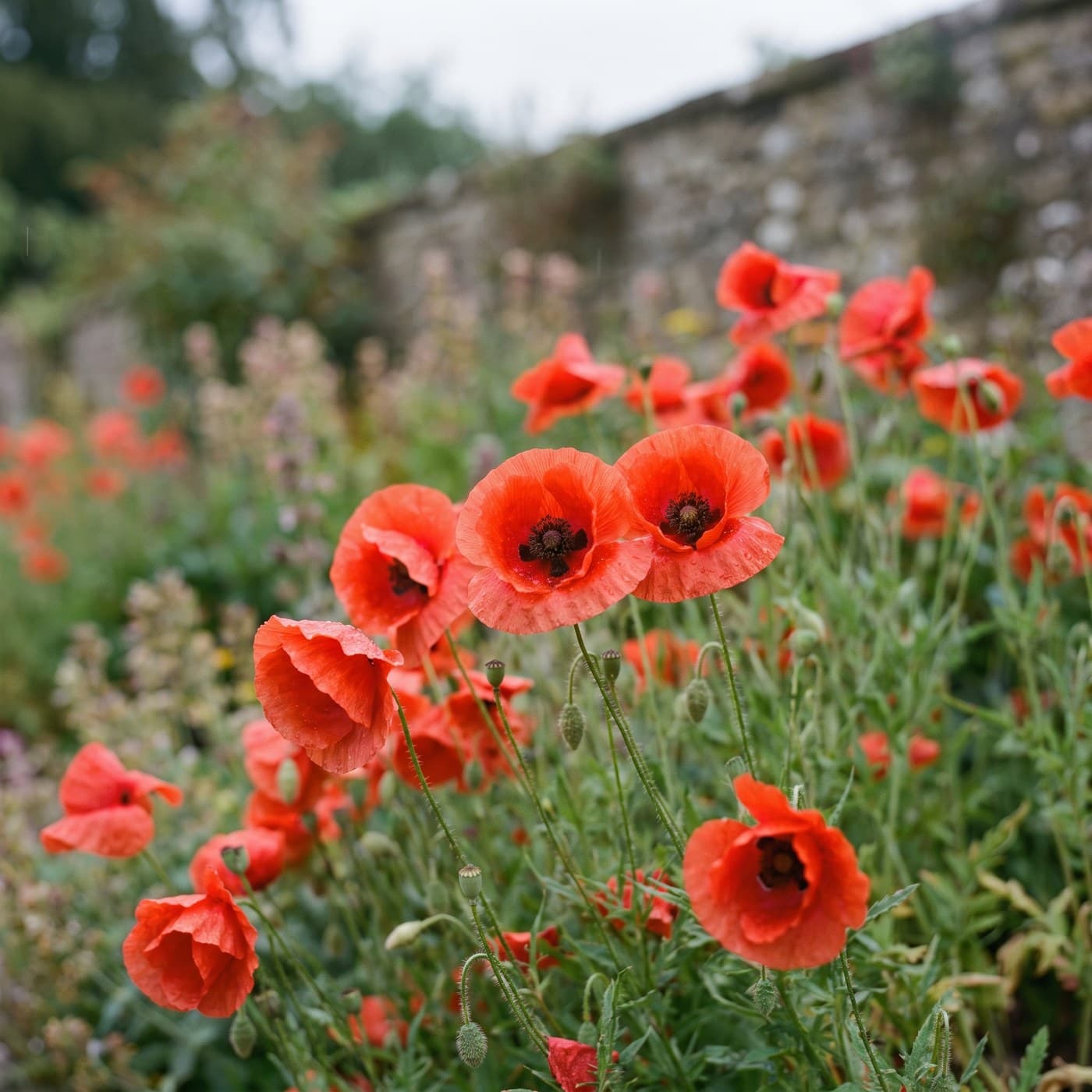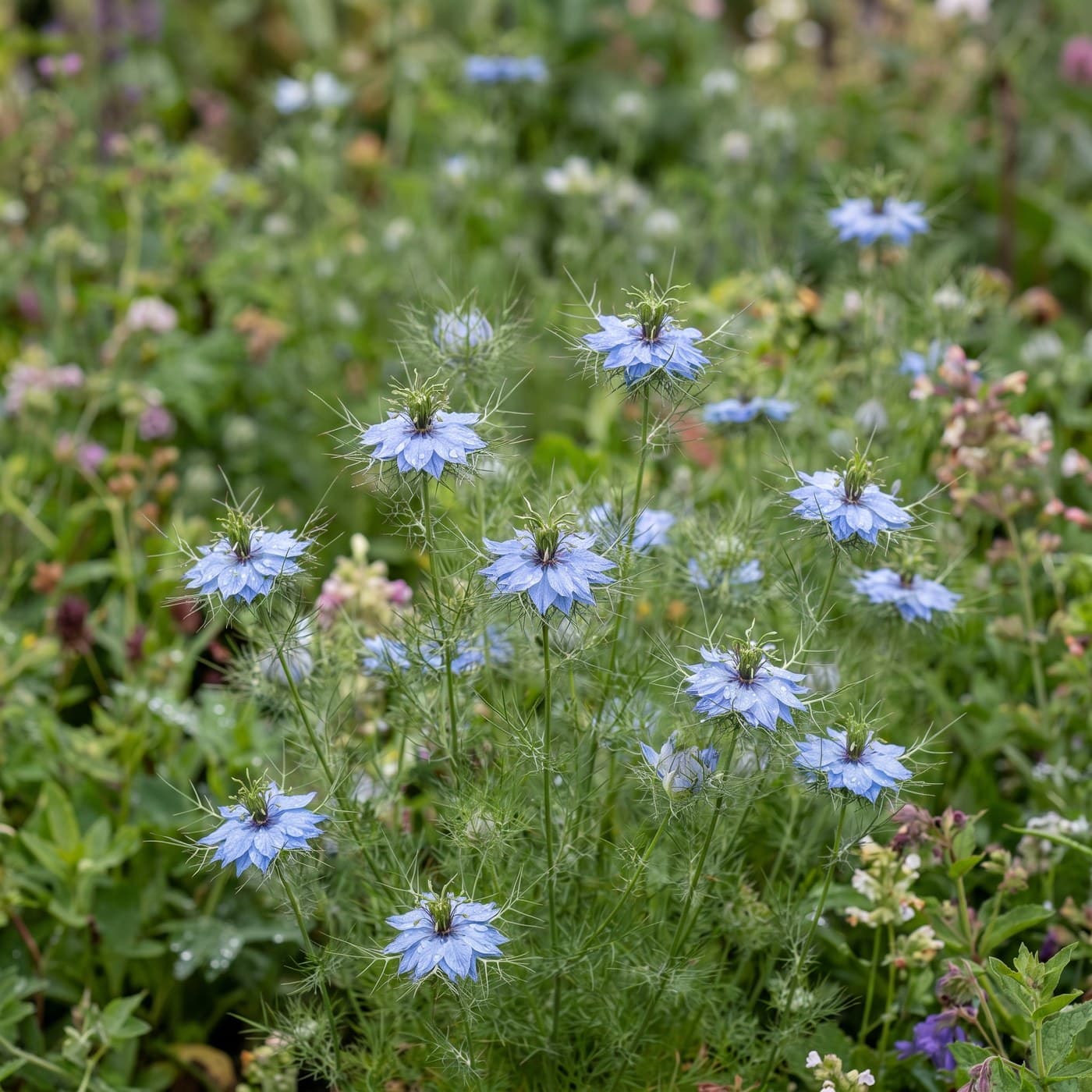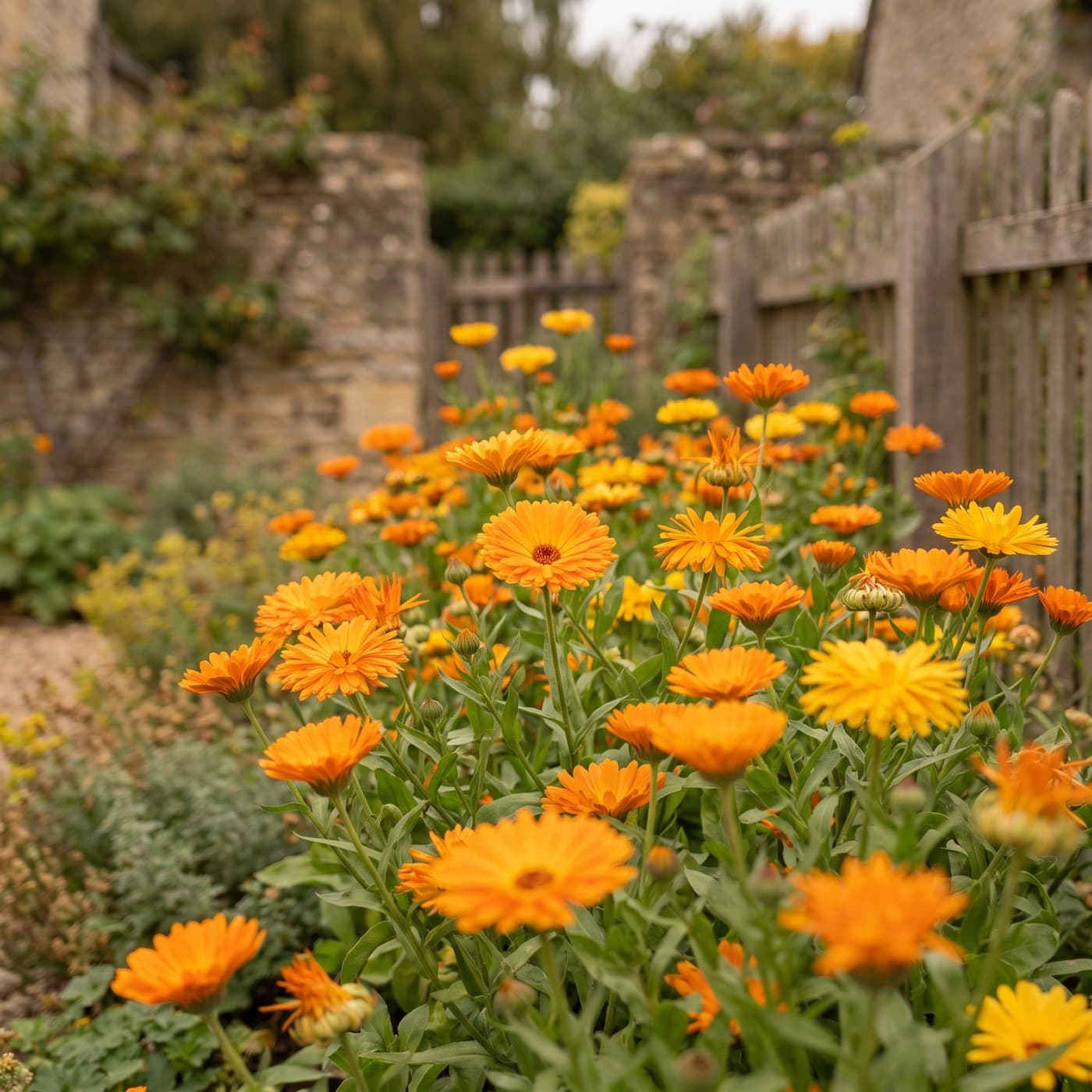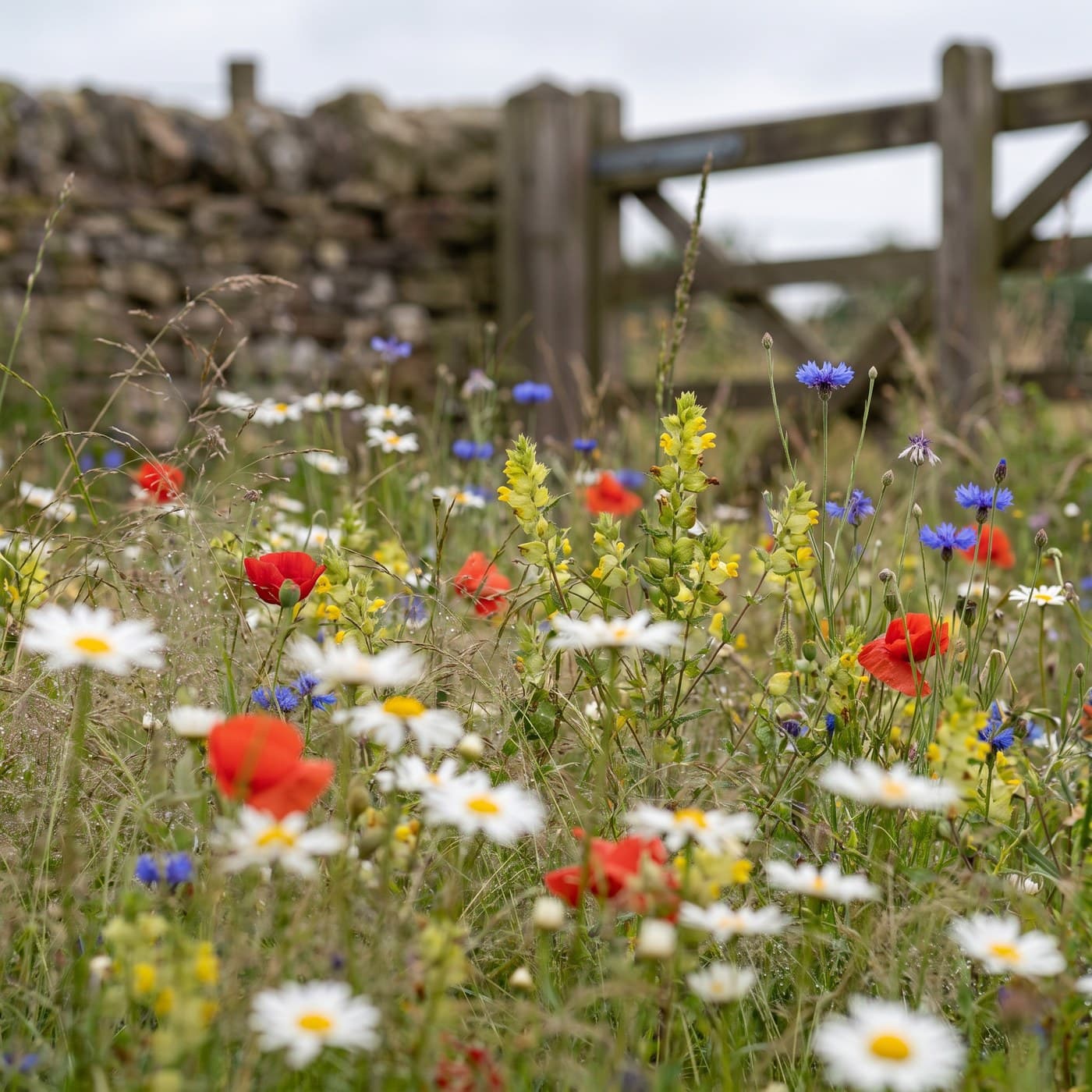
Wildflower Meadow Mix + Yellow Rattle Seed Pack
A real wildflower meadow — winter is part of the recipe.
1,000 seeds per pack · one-off purchase, no subscription
Buy now- 1,000 seeds, hand-packed in a labelled inner packet with a printed quick-start card
- Dispatched within 1–3 business days, tracked, to any UK address
- Germination guarantee: if they don't sprout, we send them again
Why grow it
- Yellow rattle is semi-parasitic on grass — it weakens the turf and opens the sward so wildflowers can actually establish
- A working patch of habitat: open, nectar-rich native-style flowers that bees and butterflies genuinely use
When to sow
Sow September into short, scuffed grass on light soil — winter cold is part of the recipe.
| Scotland & the North | Sow September — winter cold is exactly what this mix needs |
|---|---|
| Midlands, Wales & Northern Ireland | Sow September, into short grass on light soil |
| South of England | Sow September to early October, into short grass on light soil |
Growing questions
Why can't I sow this in spring?
Because of the yellow rattle: its seed is dormant until it has been through a sustained period of winter cold — a process called stratification. A spring sowing skips the trigger and the rattle simply fails to germinate, taking the meadow effect with it. September sowing lets real winter do the job.
How do I prepare the area?
Cut the existing grass short and rake hard to scuff bare patches — rattle seed must touch soil, not thatch. Scatter the mix, tread it in, and leave it. It works best on lighter, low-fertility soil; on heavy, waterlogged clay the mix struggles, and a different variety is a better pick.
What does yellow rattle actually do to the grass?
It's semi-parasitic: its roots tap into the grass roots and draw on them, visibly weakening the turf around each plant. That opens the dense sward so the other wildflowers in the mix — and the ones already dormant in your soil — can establish. It's the standard tool of professional meadow restoration.
How long until it looks like a meadow?
Be honest with yourself: this is a two-to-three-year project, not a summer bedding display. Year one, the rattle establishes and the grass starts to thin; year two, the flowers take visible hold; year three, you have a meadow that mostly runs itself with one late-summer cut.